Do You Need a Medical Certificate For Scuba Diving? 7 Essential Things Every Diver Should Know
If you’re planning your first dive trip to Thailand, you’ve probably already imagined the colorful coral, the warm water, and maybe even spotting a whale shark. But before you pack your fins, one big question comes up: Do you need a medical certificate for scuba diving?
It’s a smart question because understanding scuba diving medical requirements helps you plan with confidence. Scuba diving is all about fun and freedom, but it’s also about safety. The good news? For most people, you won’t need to bring a doctor’s certificate with you, you’ll just need to complete a diver medical form when you get here. However, there are a few situations where you will. Let’s break it all down clearly so you can start planning your scuba diving in Koh Tao stress-free.
1. Understand the Basics of Scuba Diving Medical Requirements
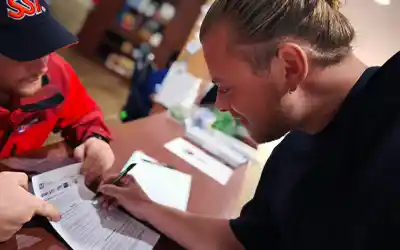
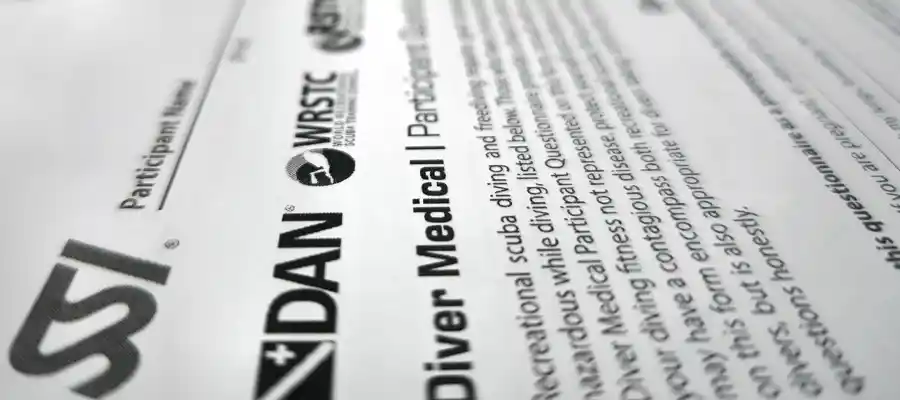
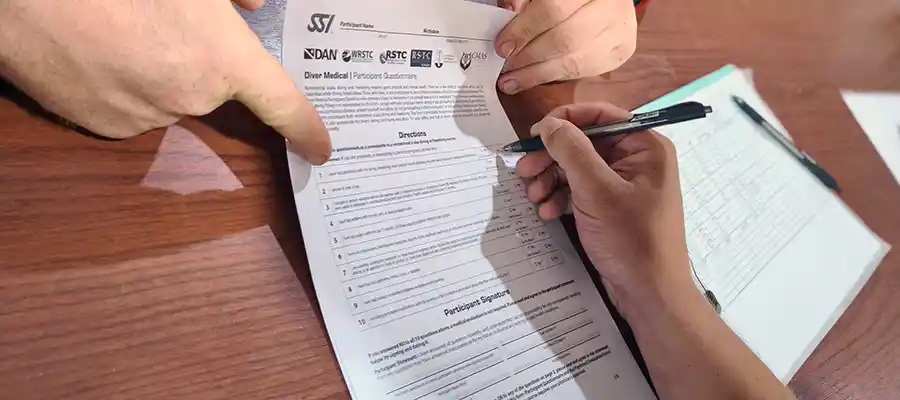
All major dive training agencies (SSI, PADI, and others) follow international safety standards set by the WRSTC (World Recreational Scuba Training Council). That’s why, before starting any course, you’ll complete a short diver medical form.
This quick form asks about things like:
- Your medical history (asthma, diabetes, heart conditions)
- Medications you’re taking
- Any recent surgeries or injuries
- General fitness and exercise habits
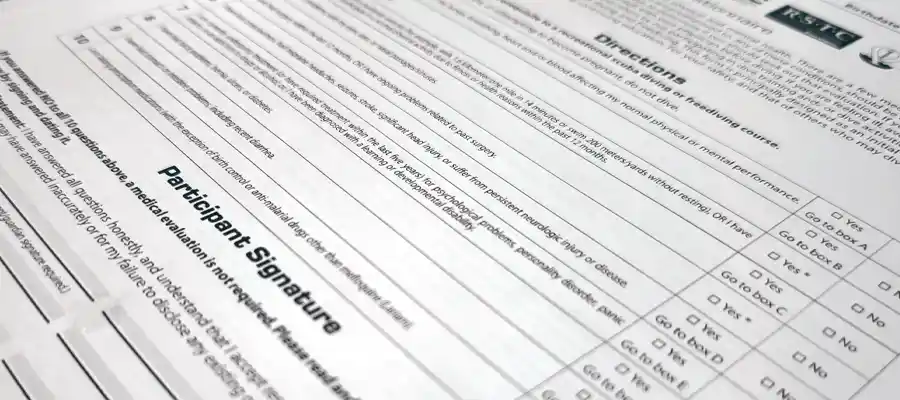
If you answer “No” to every question, you’re good to go! You can start your training right away without any further checks.
If you answer “Yes” to something, don’t worry, it doesn’t mean you can’t dive. It just means you’ll need a doctor’s note confirming you’re fit for diving. That’s what you’ll use as your official medical certificate for scuba diving
2. Follow the Rules: SSI Guidelines and Scuba Diving in Koh Tao
Crystal Dive (and at any other reputable SSI dive centre on Koh Tao) follows SSI’s official policies, which match the global WRSTC standards. Here’s the process:
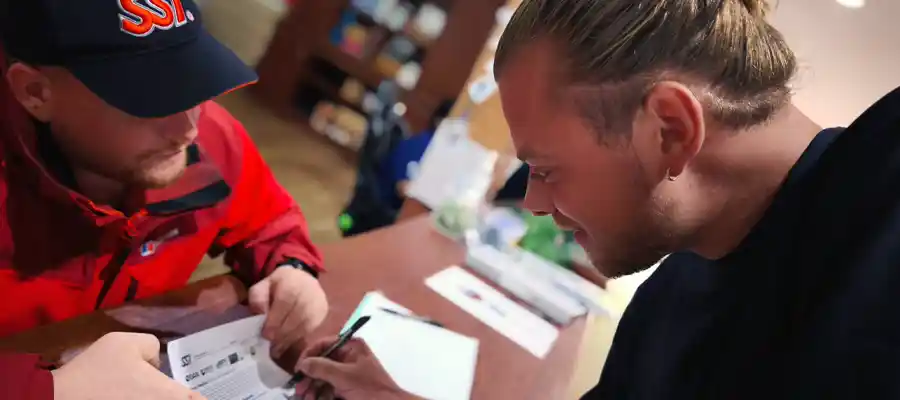
- Every new student fills out the SSI diver medical form before starting a course.
- If no health issues are indicated, no doctor’s note is needed.
- If something on the form raises a flag, you’ll need a medical certificate for scuba diving in Thailand confirming you’re fit to dive.
It’s that simple. The system keeps everyone safe while making sure diving stays accessible for as many people as possible
3. Get Your Medical Certificate for Scuba Diving Before You Travel
In most cases, you don’t need to see a doctor before your trip. But if you already know you have a pre-existing condition like asthma, epilepsy, high blood pressure, or a recent surgery, it’s smart to get checked at home first.
That way, you’ll arrive with your medical certificate for scuba diving in Thailand already sorted, and you can jump straight into your training when you reach Koh Tao.
If you don’t get one before you travel, that’s okay too. Koh Tao has several local clinics familiar with scuba diving medical requirements, and you can usually get cleared the same day for around 300–500 THB.
4. Know Which Health Conditions Require Medical Clearance
Here are some of the most common situations where a doctor’s approval might be needed:
- Asthma or other breathing issues
- Heart conditions or high blood pressure
- Diabetes
- Recent surgeries or injuries
- Neurological conditions (like epilepsy)
Everyone’s situation is different though, and that’s why the diver medical form uses simple yes/no questions rather than a one-size-fits-all rule.
5. Learn How to Upload Your Medical Certificate to Your SSI Account
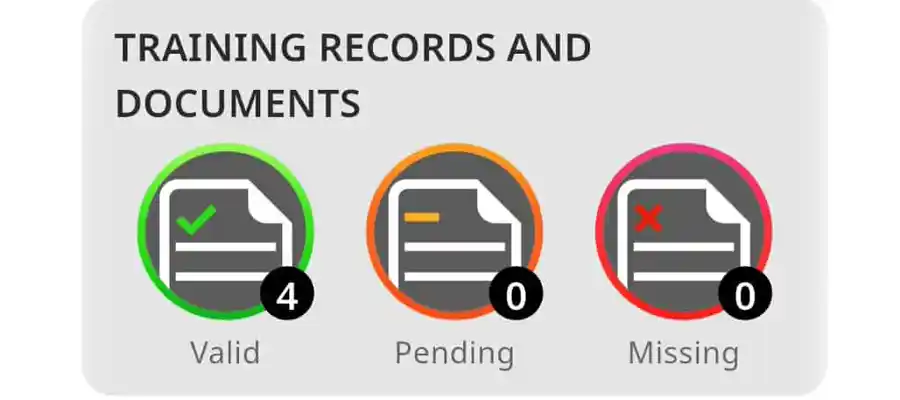
Once you’ve got your medical certificate for scuba diving, you can upload it directly to your SSI account or keep a copy with you.
It stays valid for one year, which is great if you plan on scuba diving in Koh Tao and other parts of Thailand during your travels.
That means you won’t need to visit a doctor each time you start a new course or fun dive at a different dive centre. Super convenient if you’re hopping between islands!
6. Understand Why These Scuba Diving Medical Requirements Exist
Scuba diving is incredibly safe when done correctly, but it does challenge your body in unique ways. You’re breathing compressed air, managing buoyancy, and adjusting to changing pressure.
The scuba diving medical requirements exist to ensure that if something in your medical history could cause issues underwater, a professional evaluates it first and clears you as safe to dive.
Think of it as part of your safety gear, just like your mask or regulator. Plus, most insurance policies require a diver medical form for coverage, so it’s an important box to tick.
7. Relax. We’ll Guide You Through The Diver Medical Form
If you’re new to diving, don’t let all this talk of diver medical forms scare you. Thousands of first-time divers start their adventure on Koh Tao every year, and most never need to see a doctor. Even if you do, it’s a straightforward process.
At Crystal Dive, our team will guide you through all the scuba diving medical requirements, explain any concerns, and connect you with local doctors who understand diving, if needed.
We’d always rather make sure you’re safe before you get in the water so that you can focus on the fun part: scuba diving in Koh Tao.
Have Questions About Your Fitness to Dive? Let’s Chat.
So, do you need a medical certificate for scuba diving?
For most people, no. You’ll just complete the diver medical form before your first course. If something flags up, you can get clearance easily either at home or right here on Koh Tao.
At the end of the day, scuba diving medical requirements exist to keep you safe, not to keep you out of the water. With a little preparation, you’ll be ready to explore Thailand’s reefs with confidence.
Get in touch with the Crystal Dive team. We’re happy to answer your questions before you book and help you get everything sorted for your scuba diving in Koh Tao.