It’s not uncommon for people to think that scuba diving insurance is wasted money or that their travel insurance covers scuba diving. And unfortunately, this means that a lot of scuba divers go diving without any insurance, or with insurance that won’t actually cover diving emergencies, especially abroad and in remote locations.
Dive accident insurance can be a very confusing topic. There are many types of scuba diving insurance available, so how do you choose the right one for you? What does diving insurance cover, and what does it not cover? Can you get travel insurance that covers scuba diving as well?
Let’s make it simpler. In this blog, we’ll look at the different types of cover, what they’re likely to include, and how to work out what makes the most sense for your next dive trip.
What Is Typically Covered With Scuba Diving Insurance?
While coverage will be different for each scuba diving insurance plan, it’s generally designed to cover eligible costs from dive accidents specifically, not general holiday problems. Why would someone need extra insurance just for scuba diving, you may ask? Well, the reality is that scuba diving accidents can be very expensive, as they can include evacuation, a stay at a medical facility, and hyperbaric treatment for decompression sickness.
If you’re diving in a remote location and you happen to get bent, you may need to be evacuated by speedboat or even helicopter to the nearest recompression chamber, which could be quite a distance away. The costs associated with getting you the treatment you need could balloon quickly, and this is exactly why scuba diving insurance is so important.
Some dive accident insurance policies even cover search and rescue efforts, which may be a valuable thing to have depending on the type of diving you’re doing.
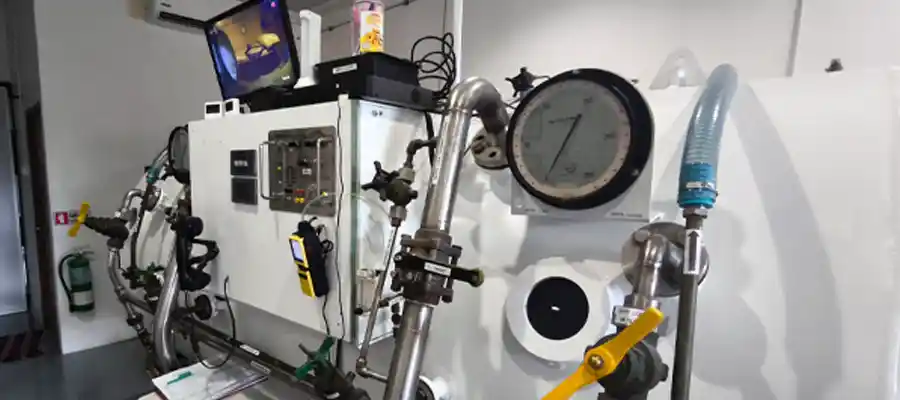
Here on Koh Tao, we’re lucky to have our own hyperbaric chamber just south of the main ferry pier. The Subaquatic Safety Services Hyperbaric Recompression Chamber has staff on standby 24 hours a day, 7 days a week, to provide recompression treatment to any diver in the region.

Does Travel Insurance Cover Scuba Diving? What’s the Difference?
There are travel insurances that cover scuba diving, but do not just assume it. The level of protection and the conditions attached to it can vary significantly between providers. Do not assume that standard travel insurance will automatically cover every aspect of a dive-related incident.
Before purchasing any scuba diving insurance, make sure to read the policy wording carefully. We know, it’s a lot to read and not particularly interesting, but it could come in very handy during your trip. In particular, check whether diving is included as standard or requires an additional adventure-sports upgrade.
Specifically, you should check for:
- Medical costs related to a dive accident, including decompression illness and hyperbaric recompression treatment.
- Emergency evacuation and repatriation
- Any depth limits and exclusions for things like wreck, cave, and technical diving
- Certification, guide, and equipment requirements
You should also confirm that the coverage matches the type of diving you plan to do. Specialist dive accident insurance companies can fill the gaps that some travel insurance may have, particularly for hyperbaric chamber treatment and evacuation.
If your travel insurance does not provide scuba cover, you should consider adding a specialist dive accident policy. DAN scuba insurance is a widely recognised provider, although available cover and policy terms vary by country and plan.

When Should You Buy Dedicated Scuba Diving Insurance?
Scuba diving insurance should be an essential part of planning any dive trip. Whether you arrange your own policy or are offered limited cover through a dive shop, it is important to understand exactly what protection is in place for you before jumping into the water. Do not assume that standard travel insurance, a credit-card policy, or a dive shop’s waiver automatically provides diving accident insurance.
If you already know that your travel insurance doesn’t cover scuba diving but only decide to go diving after leaving home, you still have options. When choosing a dive shop, ask whether it provides any short-term accident cover for guests or students, what that cover includes, and whether it applies to the entire duration of your planned diving. In particular, confirm whether emergency medical treatment, hyperbaric chamber costs, evacuation, and repatriation are included.
If you are taking a beginner scuba diving course, ask the dive centre whether student insurance is included and whether there are any limits or conditions attached. Some dive centres provide basic cover during training, but this may only apply while participating in the course and may not extend to recreational dives before or after it.
If suitable cover is not available through the dive shop, consider arranging a short-term or annual specialist dive accident policy before diving. The goal is not simply to have scuba diving insurance in place, but to make sure it is appropriate for the type of diving you plan to do.
Is DAN Scuba Insurance Worth It?
DAN scuba insurance is an excellent choice if you’re headed out on a dive trip. What makes DAN, and companies like DiveAssure, different is the fact that they provide insurance coverage for diving activities only. Their policies are designed specifically for diving-related accidents and medical emergencies.
One of the obvious benefits of a dedicated dive accident insurance company is that they have doctors on staff to review emergency medical claims as soon as they are received. For larger expenses, insurers may need to be contacted right away to coordinate approvals of the prescribed treatments.
Common Questions About Scuba Diving Insurance
Do I need insurance for a beginner scuba diving course?
It’s not always a legal requirement, but it is strongly recommended to have scuba diving insurance for a beginner scuba diving course. Most people drastically underestimate the costs associated with a diving-related accident. Some dive centres, like Crystal Dive, include student accident cover during entry-level courses. If you arrange your own cover, make sure that it includes training dives conducted under a qualified instructor.
What is not covered by dive accident insurance?
While exclusions will be different between providers, common examples of exclusions would be diving outside your certification limits, commercial diving, reckless or illegal activity, drugs or alcohol, and pre-existing conditions. Dive accident insurance also generally does not cover travel-related risks like cancelled flights, lost luggage, or non-diving illnesses.
How do I make a claim if I have an accident?
Your first step should always be to seek medical attention before worrying about insurance. If the doctor suspects a diving injury, you should contact your insurer's emergency assistance line as soon as possible, especially if pre-approval is needed for larger expenses like evacuation or hyperbaric treatment. Make sure to keep all your medical reports, dive logs, receipts, or anything else related to your treatment, so that it can be submitted as part of your claim.
Is scuba diving insurance valid worldwide?
Many specialist dive accident insurance providers offer worldwide coverage, but it is not universal. Geographic limits, travel duration limits, and restrictions based on your country of residence may apply. Some DAN insurance plans offer worldwide coverage, while a local-only plan may not. It’s always a good idea to double-check that your scuba diving insurance covers both your destination and the full period of your trip.
What is the difference between DAN membership and DAN scuba insurance?
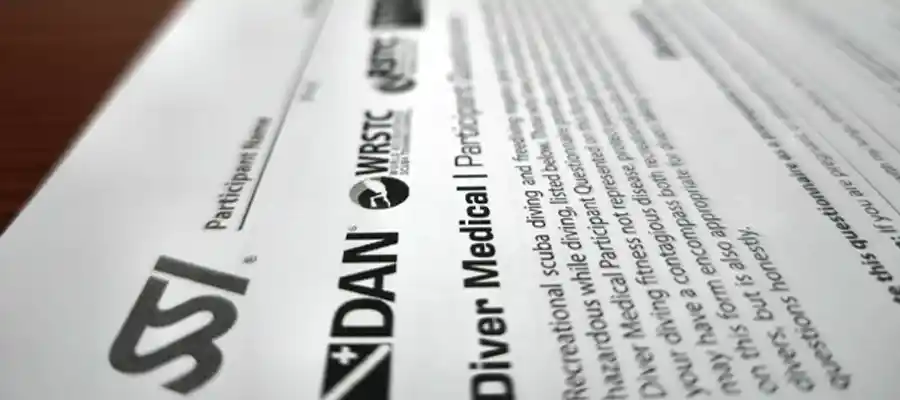
DAN membership and DAN dive accident insurance are separate products. Membership generally provides access to DAN’s safety resources, medical and travel assistance, and emergency medical transportation benefits. It does not normally pay the medical costs of a diving accident, such as hospital bills or hyperbaric chamber treatment.
DAN scuba diving insurance is an additional policy designed to cover eligible medical expenses from a covered diving injury. In many regions, membership is required before you can purchase the actual insurance. Benefits, limits, and availability vary by country, so always check the DAN organisation and policy applicable to your place of residence

Choosing the Right Scuba Diving Insurance for Your Trip
The right scuba diving insurance gives you more than just financial protection from costs related to dive accidents; it also gives you the chance to completely focus on the dive itself.
Before you travel, take the time to confirm that your insurance policy covers emergency evacuation, hyperbaric treatments, and the type of diving you plan to do. If your travel insurance has limited coverage for scuba diving, specialist dive accident insurance, like DAN scuba insurance, may be what you need to add that extra peace of mind. The best diving insurance policy is the one that suits your certification level, planned activities, dive destination, and your individual needs.
Still have questions about diving insurance for your trip to Thailand, or whether your travel insurance covers scuba diving? The Crystal Dive Team is here and happy to help walk you through anything unclear. We can help you to understand the type of cover you may need so that you can dive and focus only on the wonderful world around you.